

OPTIONS AVAILABLE
BATREA
SAFE FOR LITHIUM-ION BATTERIES ACCORDING TO VDMA 24994
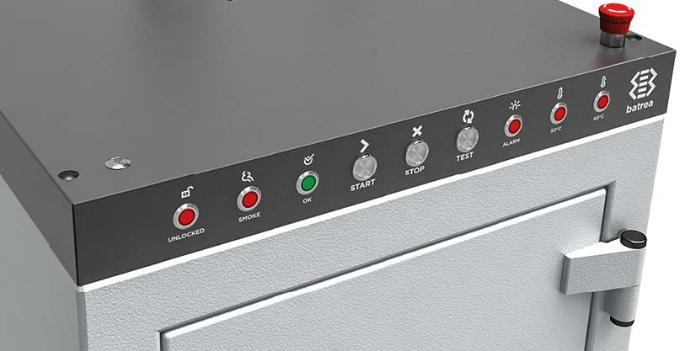
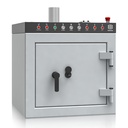
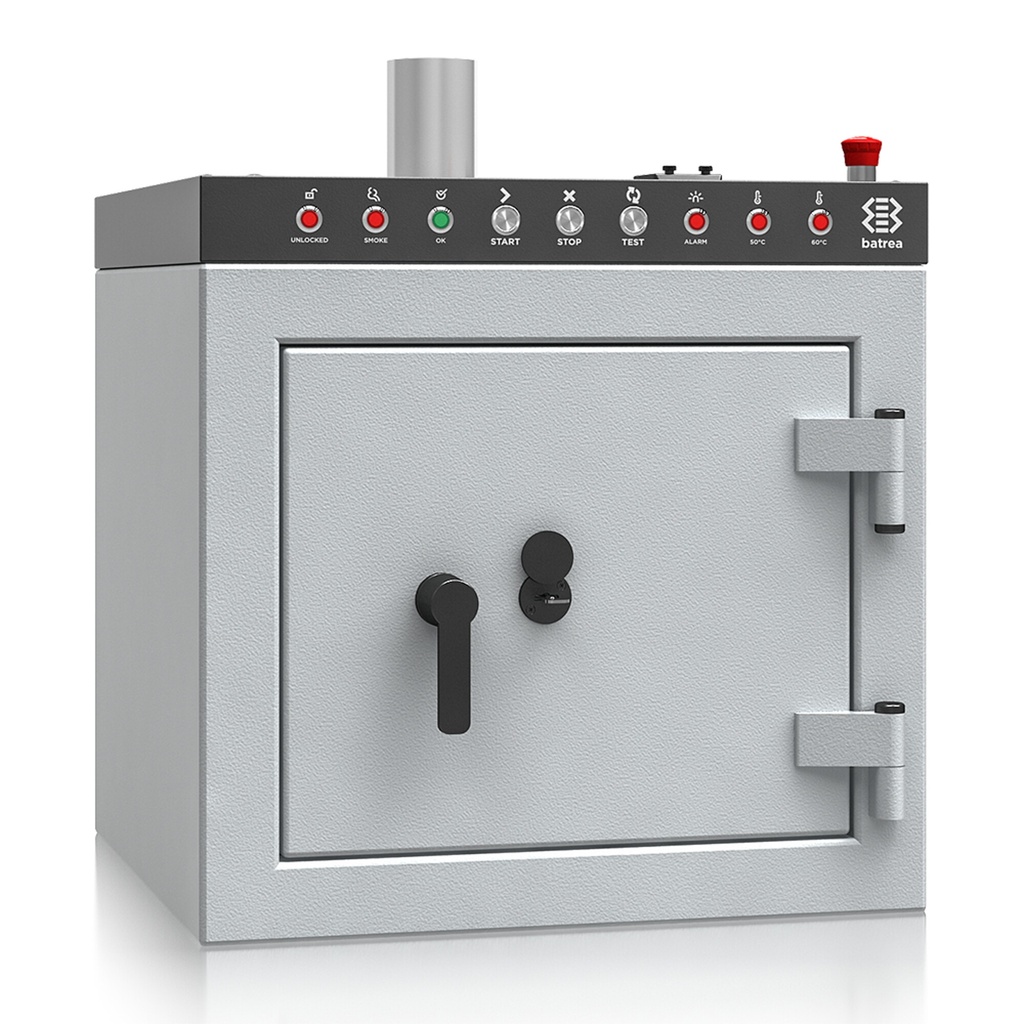
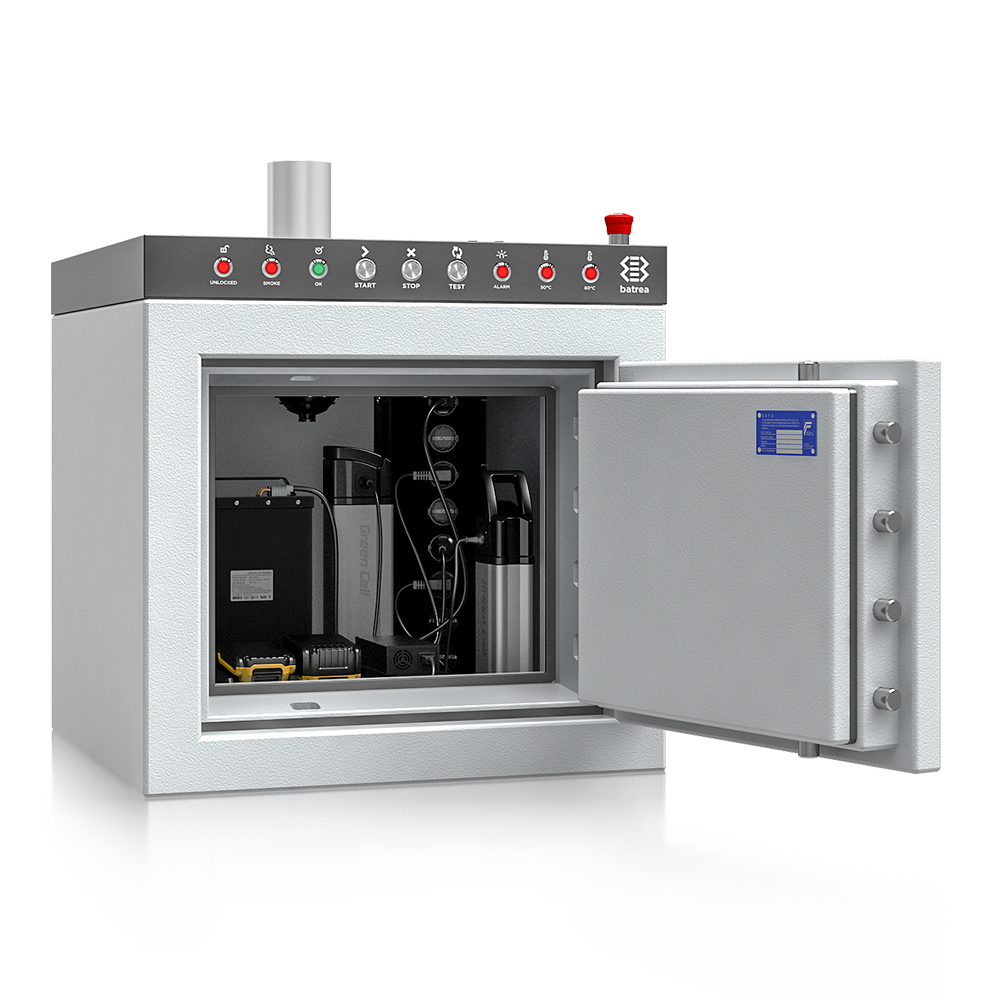
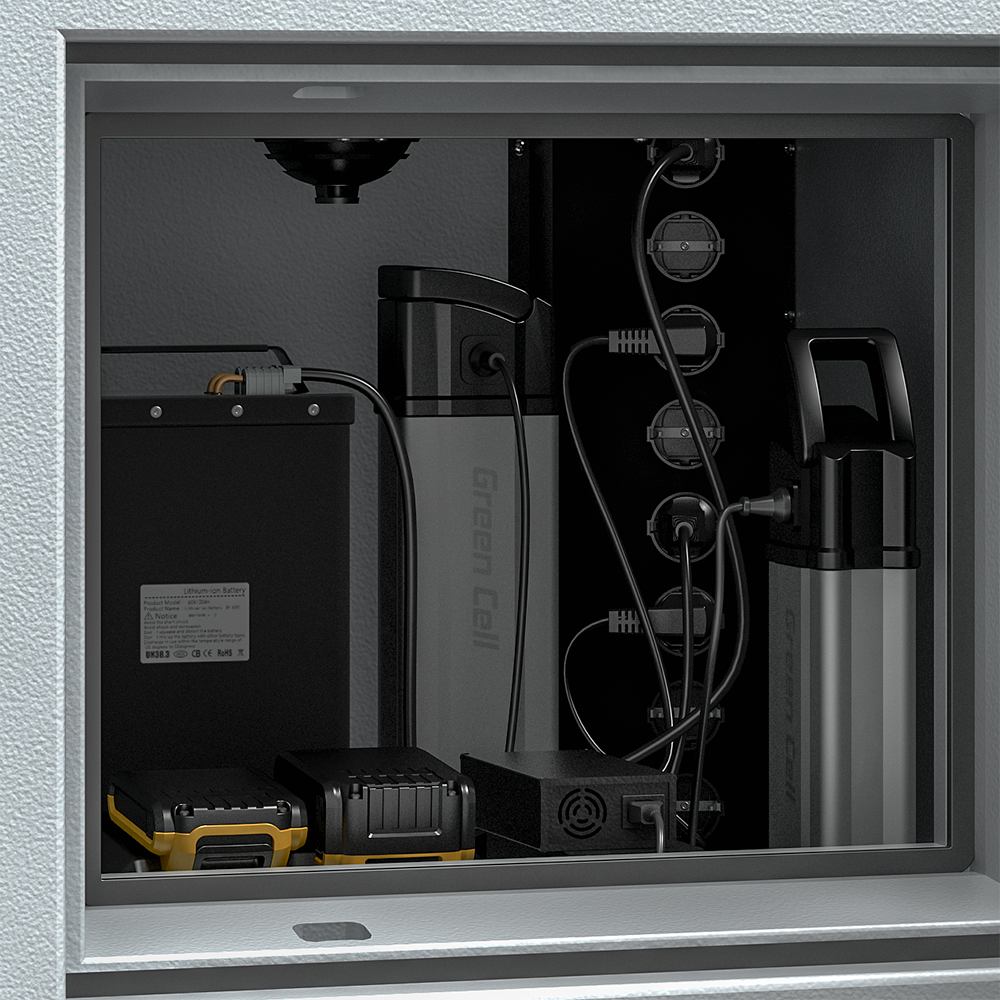
De Raat's Batrea lithium-ion safe is specially
Designed to safely store and at the same time
charging lithium-ion batteries. The safe complies with
The stringent requirements of VDMA 24994 and provides
maximum
protection, even under extreme
conditions such as uncontrolled fire
and/or battery explosions.
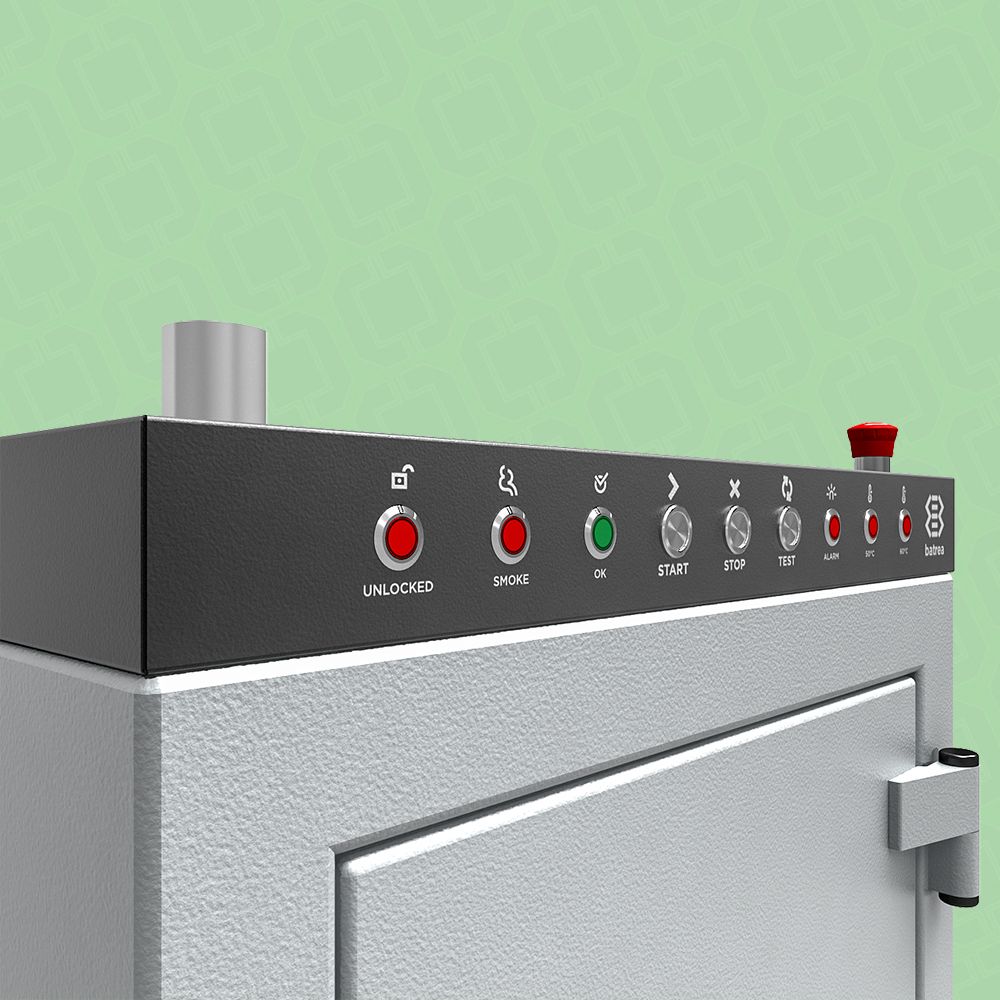
The Batrea is equipped with a control panel for
alarm management. This ensures effective
monitoring and early warnings at
calamities
THE DANGER OF LITHIUM-ION BATTERIES
WHY ARE LITHIUM ION BATTERIES DANGEROUS?
WHAT IS A LITHIUM-ION BATTERY?
A lithium-ion battery generates voltage through a chemical reaction between lithium and manganese dioxide.
This makes it more powerful and durable than an ordinary alkaline battery, but this also carries risks.
HOW DOES A LITHIUM ION FIRE OCCUR?
A lithium-ion battery contains positive and negative electrodes separated by a thin membrane.
When damaged or overheated, this membrane can break, causing the various electrodes to contact each other. During charging, this can lead to overheating and a chain reaction known as thermal runaway. This process causes the battery to continue to heat itself, resulting in explosion and/or fire.
WHY IS A LITHIUM-ION FIRE MORE DANGEROUS THAN A REGULAR FIRE?
Unlike an ordinary fire:
- a lithium-ion fire develops extreme heat: making extinguishing with water barely effective.
- the battery produces toxic and flammable: vapors, making the fire even more intense and dangerous
- the fire can spread at lightning speed: if the batteries ignite each other
Because of these risks, it is essential to store lithium-ion batteries safely: in the Batrea.
It is recommended to choose only safes for the storage of lithium-ion batteries that have been tested in an ECB.S accredited testing institute.
Safes that pass the test are then certified by ECB.S. These safes thus meet the high requirements of the German standard VDMA 24994:2024.

VDMA 24994 is the starting point for a European standard and contains the guidelines that a security safe for lithium-ion batteries must meet.
A European standard will be developed based on VDMA 24994. The date for the final introduction of this standard is not yet known.
Insurance companies are already using the guidelines from VDMA 24994. The most current information on current guidelines can be found at www.deraat.eu.
SALVAGE OF HAZARDOUS MATERIALS
LITHIUM-ION SAFES
BATREA: SAFE FOR LITHIUM-ION BATTERIES ACCORDING TO VDMA 24994
The VDMA 24994 test for this safe was conducted with the highest risk NMC batteries, specifically the NMC 9-0.5-0.5. During the test, the batteries ignited due to a thermal runaway, resulting in explosions. The safe was built so robustly that both flames and explosions remained inside the safe.
In a fire caused by lithium-ion batteries, it is essential that the safe provide protection in both directions: inside to outside as well as outside to inside. This is indicated by I/O, where 'I' stands for Inside and 'O' for Outside. The Batrea meets I/O 60 and provides 60 minutes of fire protection.
LOAD CAPACITY: UP TO 3 KWH PER LEVEL
Part of the VDMA 24994 test looks at the maximum charging capacity per vault. In the Batrea, a maximum of up to 3 kWh can be charged per level.
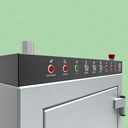
The top of the safe is equipped with several function buttons. One of the functions ensures that when the temperature inside the safe reaches 50 °C, the power supply is reduced to allow the temperature to drop. At a temperature of 60 °C, the safe automatically turns off the charging process. 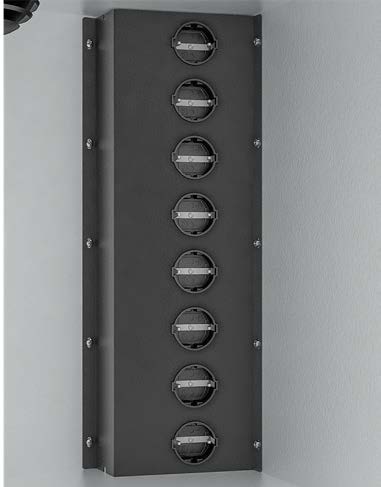
VENTILATION SYSTEM: SAFE AIR CIRCULATION IN THE SAFE
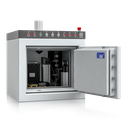
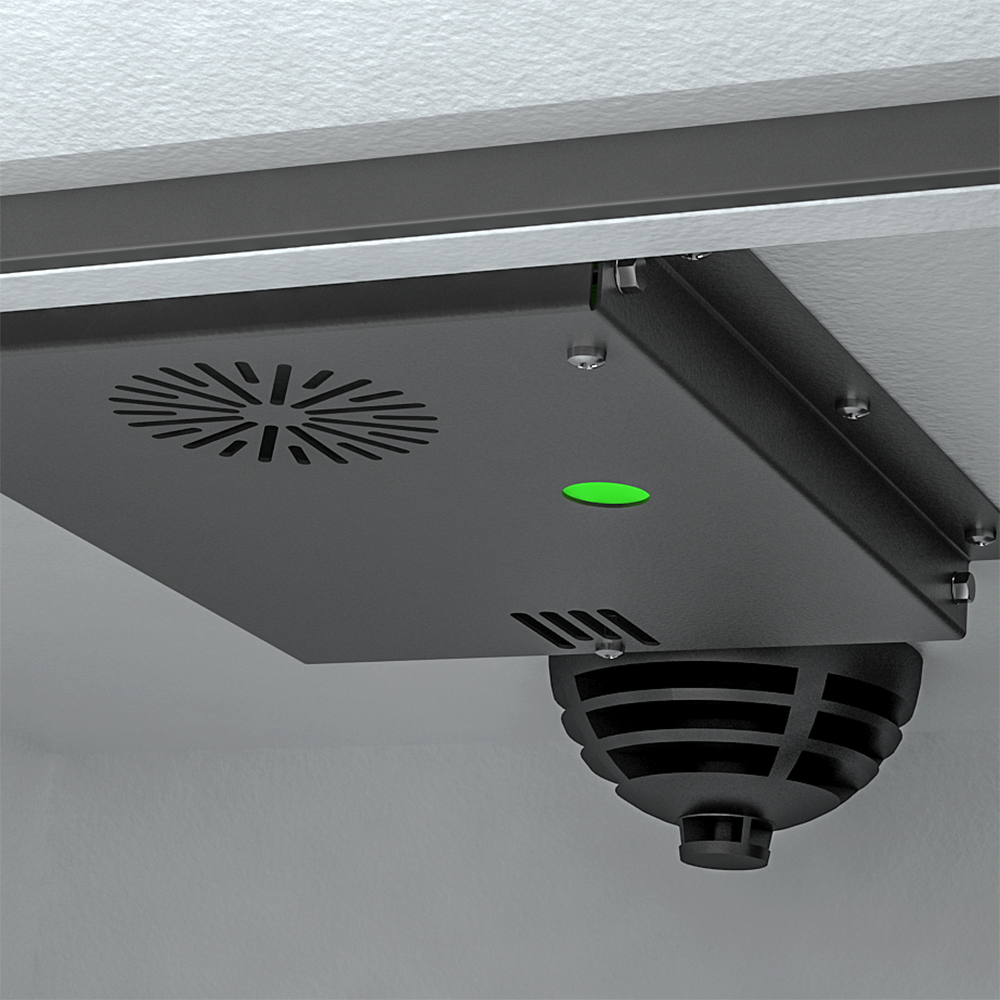
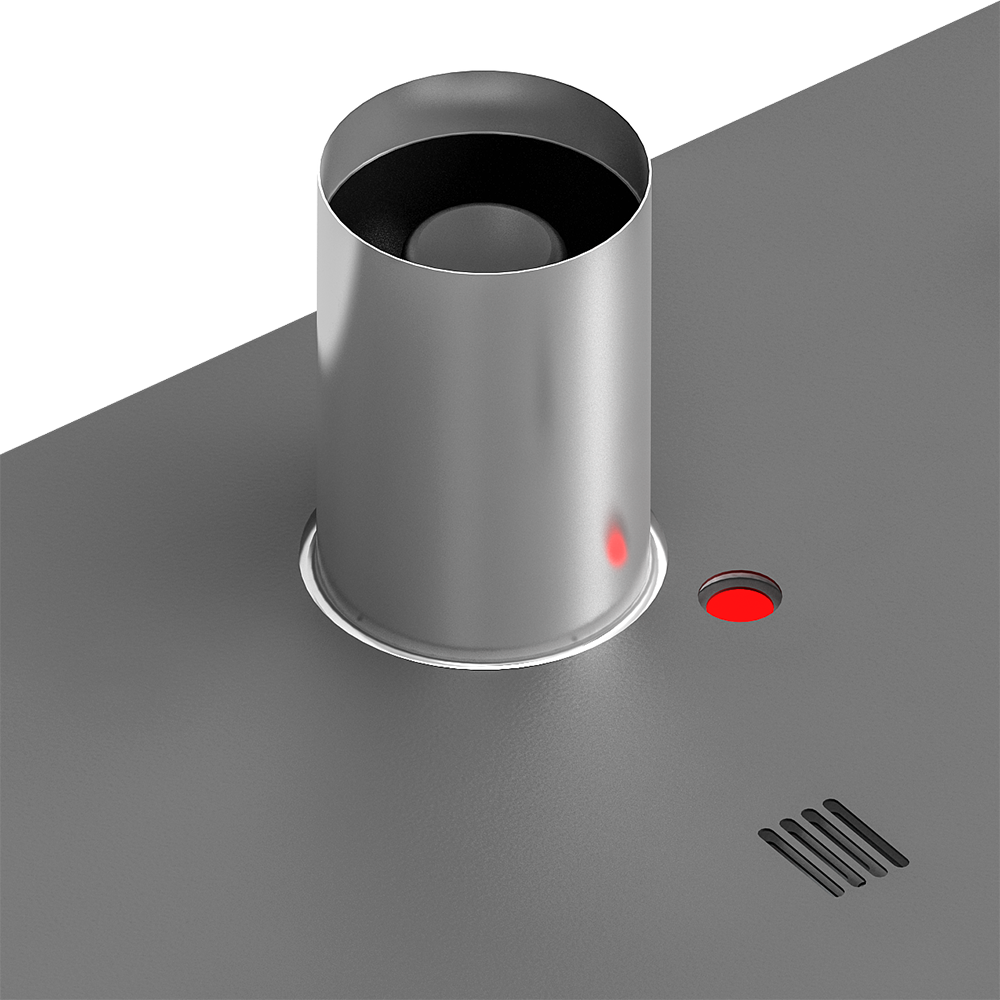
The Batrea is equipped with a ventilation system.
This ventilation system provides minimal
airflow of 30 m3 per hour. With this, the
temperature in the vault regulated. 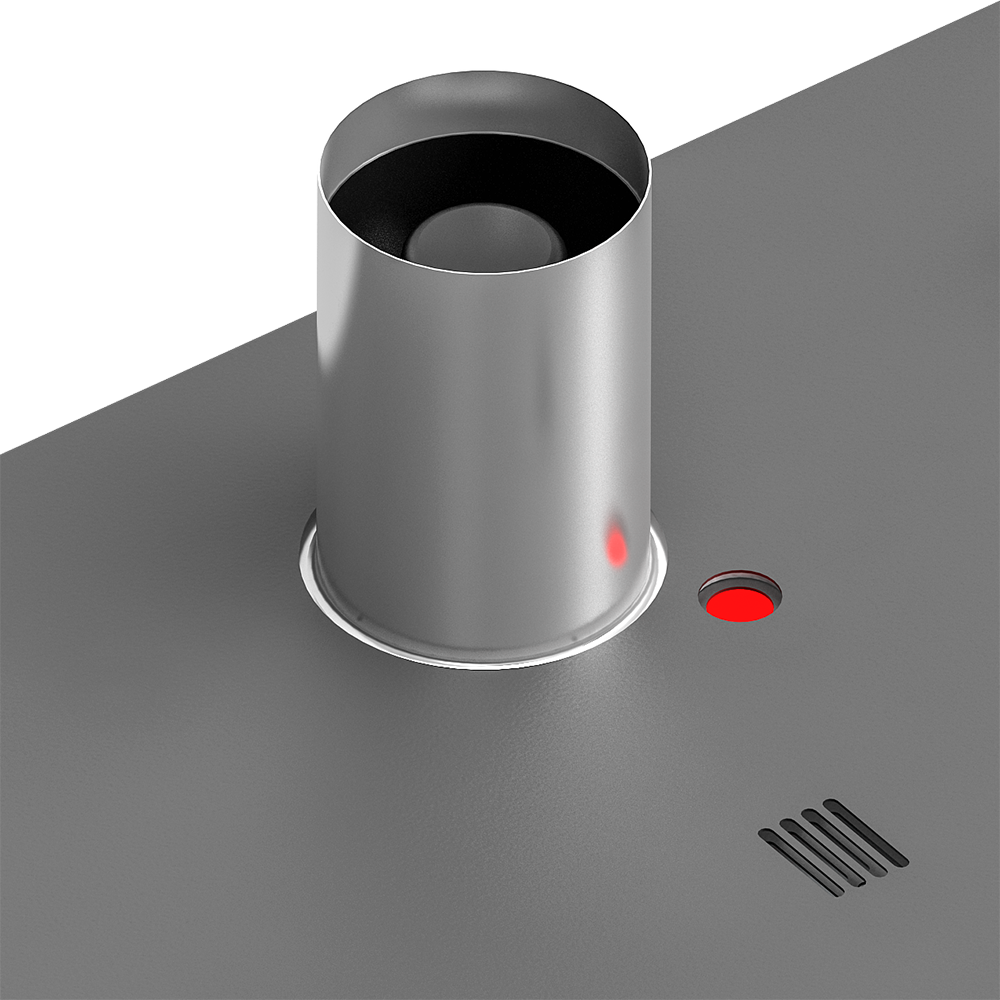
POTENTIAL-FREE CONTACT: CONNECTION TO A BMI IS POSSIBLE
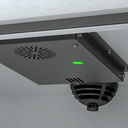
The Batrea can be connected to a fire alarm system
(BMI). A potential-free contact is available for this purpose.
Optioneel bestaat de mogelijkheid om via een app de status van de Batrea op afstand te monitoren zoals stroomverbruik, temperatuur, signalering rookontwikkeling en/of deur open. Meer informatie en
current rates can be found on our website.
MODEL | OUTSIDE DIMENSIONS (HxBxD) IN MM | INSIDE DIMENSIONS (HxBxD) IN MM | WEIGHT IN KG | NUMBER OF LEVELS | POINT OF CONTACT PER LEVELS | MAXIMUM POWER |
Batrea 1 | 703 x 711 x 702 | 451 x 566 x 471 | 290 | 1 | 5 | 3 kWh |
Batrea 2 | 1218 x 711 x 702 | 966 x 566 x 471 | 398 | 3 | 5 | 9 kWh |
Batrea 3 | 1918 x 711 x 702 | 1666 x 566 x 471 | 718 | 5 | 5 | 15 kWh |
Batrea 4 | 1218 x 1195 x 702 | 966 x 1050 x 471 | 613 | 3 | 8 | 15 kWh |
Batrea 5 | 1918 x 1195 x 702 | 1666 x 1050 x 471 | 800 | 5 | 8 | 25 kWh |
BATREA
SAFE FOR LITHIUM-ION BATTERIES ACCORDING TO VDMA 24994
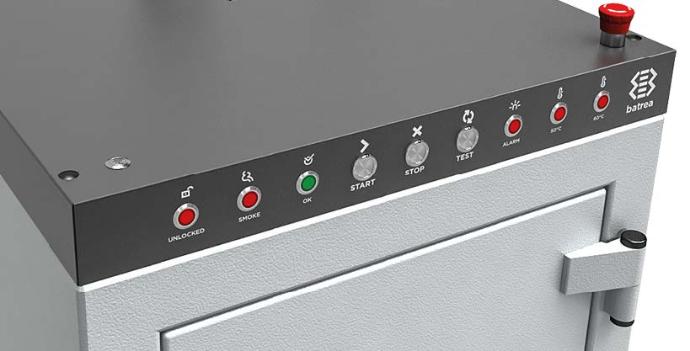
De Raat's Batrea lithium-ion safe is specially
Designed to safely store and at the same time
charging lithium-ion batteries. The safe complies with
The stringent requirements of VDMA 24994 and provides
maximum
protection, even under extreme
conditions such as uncontrolled fire
and/or battery explosions.
The Batrea is equipped with a control panel for
alarm management. This ensures effective
monitoring and early warnings at
calamities
THE DANGER OF LITHIUM-ION BATTERIES
WHY ARE LITHIUM ION BATTERIES DANGEROUS?
WHAT IS A LITHIUM-ION BATTERY?
A lithium-ion battery generates voltage through a chemical reaction between lithium and manganese dioxide.
This makes it more powerful and durable than an ordinary alkaline battery, but this also carries risks.
HOW DOES A LITHIUM ION FIRE OCCUR?
A lithium-ion battery contains positive and negative electrodes separated by a thin membrane.
When damaged or overheated, this membrane can break, causing the various electrodes to contact each other. During charging, this can lead to overheating and a chain reaction known as thermal runaway. This process causes the battery to continue to heat itself, resulting in explosion and/or fire.
WHY IS A LITHIUM-ION FIRE MORE DANGEROUS THAN A REGULAR FIRE?
Unlike an ordinary fire:
- a lithium-ion fire develops extreme heat: making extinguishing with water barely effective.
- the battery produces toxic and flammable: vapors, making the fire even more intense and dangerous
- the fire can spread at lightning speed: if the batteries ignite each other
Because of these risks, it is essential to store lithium-ion batteries safely: in the Batrea.
It is recommended to choose only safes for the storage of lithium-ion batteries that have been tested in an ECB.S accredited testing institute.
Safes that pass the test are then certified by ECB.S. These safes thus meet the high requirements of the German standard VDMA 24994:2024.
VDMA 24994 is the starting point for a European standard and contains the guidelines that a security safe for lithium-ion batteries must meet.
A European standard will be developed based on VDMA 24994. The date for the final introduction of this standard is not yet known.
Insurance companies are already using the guidelines from VDMA 24994. The most current information on current guidelines can be found at www.deraat.eu.